Psychotic Depression:the Complex Mental Disorder
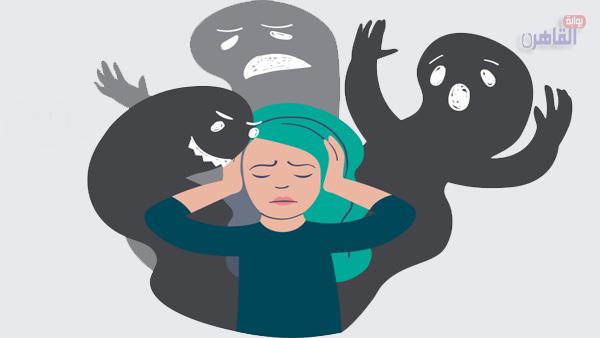
Psychotic depression is a serious mental disorder characterized by a person's experience of co-existing symptoms of depression with those of a psychotic disorder. People with this disorder feel constant sadness, loss of interest in daily activities, and a loss of happiness and desire to live. However, patients also experience symptoms of psychosis such as hallucinations and delusional thoughts. In this article, we will highlight the concept of psychotic depression, its symptoms, contributing factors, and the importance of early diagnosis and treatment of this disorder.
Definition and symptoms of psychotic depression
Psychotic depression is a disorder that combines symptoms of depression and psychotic disorder. Patients experience low mood, distracted attention, and loss of interest in previous activities, along with symptoms of psychosis such as hallucinations and delusional thoughts. Hallucinations can be auditory or visual, and patients may also suffer from delusional disorder, which is an unrealistic belief that affects the patient's perception of the world around them. Psychotic depression greatly affects the lives of sufferers, leading to social isolation and deterioration of life functions.
Risk factors and causes of psychotic depression
There are several contributing factors to the onset of psychotic depression, including genetic and environmental factors. Having a family history of mental illnesses, such as depression and schizophrenia, is an important factor in increasing the risk of psychotic depression. In addition, chemical changes in the brain play a role in the development of the disorder, with research indicating imbalances in the nervous system and deficient levels of neurotransmitters.
Diagnosis and treatment of psychotic depression
Accurate diagnosis and early treatment is crucial to dealing with psychotic depression. The diagnosis must be made by a professional psychological professional by assessing the symptoms and the patient's medical history. Diagnosis may also involve ruling out other diseases that cause similar symptoms.
In terms of treatment, a multifaceted approach is used that combines pharmacological and psychotherapy. Pharmacological treatment relies on the use of antidepressants and antipsychotics to relieve symptoms and improve mood and thinking. As for psychotherapy, it includes psychological sessions and cognitive behavioral therapy, and aims to enhance dealing with symptoms and improve the quality of life.
Social Influences and Support Role
Psychotic depression can greatly affect the social relationships and daily lives of patients. They feel isolated and isolated and may experience difficulties at work and school. Therefore, social and family support is crucial in helping people with this disorder. Patients should be encouraged to seek help and to seek support groups and resources available to them.
Improving quality of life and recovery
Improving quality of life and recovering from psychotic depression requires sustained and multifaceted efforts. Patients should maintain a healthy lifestyle, including regular exercise and maintaining an appropriate nutritional balance. It is also advised to develop strategies to deal with stress and negative thinking. Creative activities and mental relaxation may be helpful in improving mood and reducing anxiety.
Awareness and Prevention
Promoting awareness of psychotic depression and its prevention plays an important role in combating this disorder. Communities and health institutions must work together to increase awareness and education about psychotic depression, early diagnosis and effective treatment. Open discussion and support for people with this disorder should be encouraged, and appropriate psychological services made available to them.
Conclusion
Psychotic depression is a serious psychological disorder that greatly affects patients' lives. Through early diagnosis, early treatment and social support, the quality of life for people with this disorder can be improved. Awareness and awareness should be raised about this disorder and work on prevention and proper guidance for individuals at risk of developing it. With joint work and ongoing support, we can help patients overcome challenges and achieve recovery.
