Adolescent Depression: Diagnosis, Causes, and Treatment
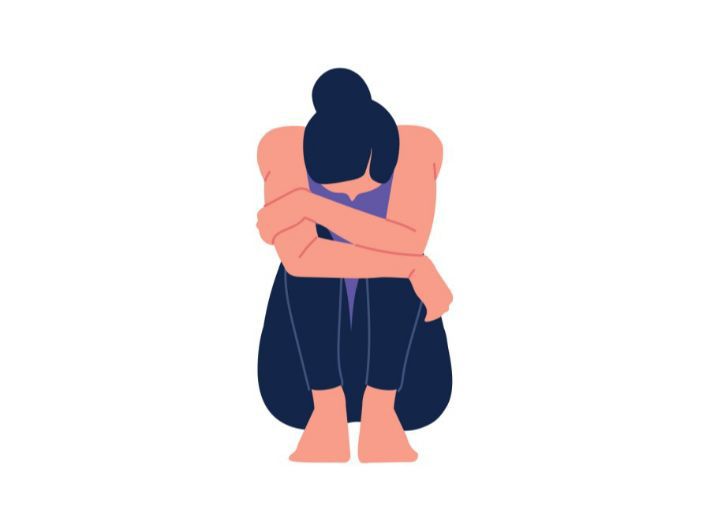
Adolescent depression is a common mental health problem that affects many young people in adolescence. It is an ongoing emotional state that ranges from extreme sadness to resentment and isolation, and it may negatively affect the mental, psychological and social health of the adolescent, and affect his academic performance and personal relationships. Adolescent depression is a serious issue that must be taken seriously and necessary support provided to affected teens.
A diagnosis of adolescent depression requires the presence of a persistent set of symptoms over a period of more than six months. This depression includes persistent feelings of sadness, loss of interest and pleasure in daily activities, changes in sleep and appetite, persistent fatigue, difficulty concentrating and making decisions, feelings of anxiety or guilt for no specific reason, isolation from friends and family, and thoughts of death or suicide. If these symptoms are present and negatively affecting your teen's life, a health care provider should be consulted to evaluate and diagnose the condition and direct appropriate treatment.
There are many causes of adolescent depression and include physiological, psychological and social factors. Hormonal changes that occur during adolescence may contribute to the condition, affecting the chemical balance of the brain. Genetics can also play a role in teens' susceptibility to depression. In addition, social challenges such as school pressures, strained family relationships, bullying, and social maladjustment at school can also affect a teen's emotional decline.
To treat adolescent depression, a supportive environment and an understanding of the possible causes of the condition should be provided. Strong family and emotional support is key to recovery from depression. Friends and family can provide psychological support, help manage stress, and give positive advice. Psychological counseling sessions or individual or group psychotherapy can be beneficial for adolescents, as adolescents can express their thoughts and feelings and gain tools to deal with difficulties.
In some cases, severe depression may require medication. The use of antidepressant medication for teens is a decision that must be made carefully and should be directed and monitored by a qualified health care provider.
In conclusion, adolescent depression must be taken seriously and the necessary support provided. Teens should be encouraged to talk about their feelings and seek help when needed. Providing a supportive environment and appropriate treatment can help improve their emotional and psychological well-being and enhance their general health and well-being.
Blogs you may also like

hoarding disorder
Hoarding disorder is a psychological condition characterized by excessive and untidy ...
Read More
Seasonal Depression: its Causes, Symptoms, Diagnosis and Treatment Methods
Seasonal depression is a psychological disorder that occurs periodically and recurrin...
Read MoreAdolescent Depression: Diagnosis, Causes, and Treatment
Adolescent depression is a common mental health problem that affects many young peopl...
Read More